.png)


Diet Soda

Let's discuss "soda," "pop," "soda pop," or "Coke," depending on your regional preference. We'll take a look at the potential benefits and drawbacks of diet soda - but first, we'll provide some historical context on flavored soda water.
Millions of folks got their first taste of soft drinks at the Centennial Exposition in Philadelphia in 1876.* Soda fountains weren't exactly a new thing, but this fair drew over 10 million visitors in just six months, giving tons of people the chance to try soft drinks.
With alcohol off the table due to prohibition, soda quickly became the go-to drink in the U.S. By the early 1900s, there were more than 75,000 soda fountains where people could hang out and enjoy these delicious drinks. And just like that, we were hooked!
A few years later, the first artificial sweetener (saccharine) was created, but it wasn't until 1951 that artificial sweeteners were added to soda to create diet versions. The first diet soda was No-Cal ginger ale, which was sweetened with calcium cyclamate and made for sanitarium patients with diabetes and/or heart disease.
Within a few years, major soda manufacturers started to produce diet soda with a mixture of two sweeteners: saccharine and calcium cyclamate. The focus was weight control. According to Smith (pg. 249), Coca-Cola created Tab, which "was a play on words, meant to suggest consumers were 'keeping tabs' on their weight."

Showing my age here... I didn't realize that diet Coke and Diet Pepsi didn't exist until 1982! (Geez, we're practically the same age.)
While the intention for diet soda was to promote health in sick people, it has become a way to potentially limit calories from beverages without losing the sweetness. More diet soda is sold in the U.S. than in any other country. But is diet soda really a healthy alternative?
Well, research from the MESA study shows that there is an increased risk of type 2 diabetes with daily consumption of at least one diet soda. Similarly, for every extra serving of diet soda consumed daily, there is a 29% increased risk of end stage kidney disease. And we're just starting to understand potential links to artificial sweeteners and risk of stroke.
I am often asked, "Does drinking diet soda cause cancer?" The answer is no... but research shows that artificial sweeteners are linked to some forms of cancer. There is an increased risk of several cancers with aspartame consumption in animal studies, but there is no conclusive evidence of this in humans. The American Cancer Association website doesn't really encourage or discourage individuals living with cancer from consuming artificial sweeteners. (There are also alternative sweeteners that aren't artificial, but I'll save that for another post.)
Is diet soda helpful for individuals who already have diabetes? Maybe? It seems like if you're drinking less sugar that your blood sugar control should be better but, there isn't enough research in this area.
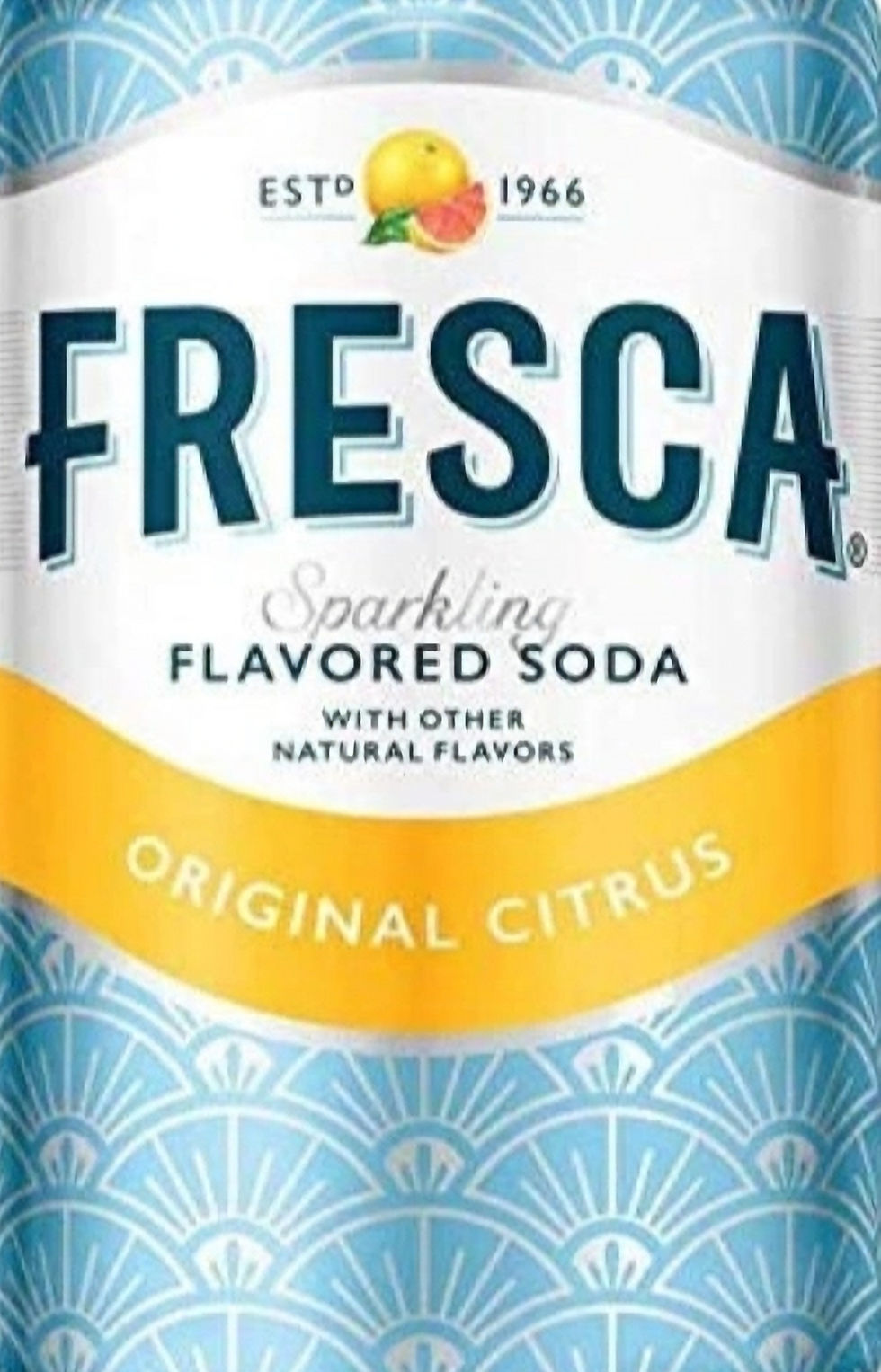
Do I like drinking diet soda? Admittedly, yes. In another post, I pointed out that I love Fresca (which was actually one of the earliest diet sodas manufactured). However, the relationship between artificial sweeteners and chronic disease makes me hesitant to recommend that my patients switch from regular to diet soda, as both are linked to chronic diseases. Are they toxic? No, but they're not healthy either. I wish there was a clearer answer, and hopefully in time, we'll get more clarity. In the meantime, boring old water is typically best.
P.S. I didn't even bring up sugar alcohols, artificial sweeteners in foods and other non-soda beverages containing "newer" artificial sweeteners (i.e. Sucralose, Stevia)... so much to discuss!
References
Aun, D. (2012). Soft drinks, aspartame, and the risk of cancer and cardiovascular disease. Am J. Clin Ntr, 96(6), 1249-1251.
Hollrah D, et al. (2017). Question: In patients with type 2 diabetes, does diet soda consumption contribute to decline in blood sugar control? J Okla State Med Assoc, 110(4):206-207.
Nettleton et al. (2009). Diet soda intake and risk of incident metabolic syndrome and type 2 diabetes in the multi-ethnic study of atherosclerosis (MESA). Diabetes Care, 32(4), 688-94.
Rebholz CM, et al., (2017). Diet soda consumption and risk of incident end stage renal disease. Clin J Am Soc Nephrol,12(1):79-86. doi: 10.2215/CJN.03390316.
Smith, A. F. (2009) Eating History: Thirty turning points in the making of American cuisine. Columbia University Press, New York.
Zhang, T., Wang, T., Yu, K. et al. (2025). Aspartame and ischemic stroke: unraveling the molecular link through network toxicology and molecular docking analysis. Sci Rep 15.


Comments